
March marks a pivotal shift—the end of winter’s deep freeze and the beginning of spring’s melt and rain. While the sight of green grass is welcome, this transition period is also a time of high risk for water damage.
Melting snow, heavy spring rains, and saturated ground can quickly turn into a devastating flood. This is a crucial time to understand the often-misunderstood difference between your standard homeowners insurance and a dedicated flood insurance policy.
💦 The Crucial Difference: Homeowners vs. Flood Insurance
Most people assume their standard homeowners policy covers all water damage, but that is a dangerous myth. Insurance policies draw a very clear line:
- Standard Homeowners Insurance (Covered)
Your standard policy is designed to cover sudden and accidental water damage that originates from inside your home or from a severe, sudden exterior event.
| Type of Damage | Example |
| Internal Damage | A burst pipe, a leaking hot water heater, or an overflowing bathtub. |
| Sudden External Leak | Damage from a tree limb falling on the roof, allowing rain to pour in. |
| Wind-Driven Rain | Rain entering your home because a windstorm has damaged a window or door. |
- Flood Insurance (Required for Flood Events)
A flood insurance policy is separate and generally required to cover damage caused by an overflow of external water that covers normally dry land. This is the coverage you need for the “Big Thaw.”
| Type of Damage | Example |
| Groundwater Overflow | Water seeping into your basement from the ground due to heavy rain or rapid snowmelt. |
| River/Body of Water | A nearby creek, river, or lake overflowing its banks and entering your home. |
| Flash Floods | Rapid accumulation of runoff water from severe storms. |
⚠️ Key Takeaway: Water that comes from the ground into your home (like snowmelt runoff or river overflow) is defined as a flood and is not covered by a standard homeowners policy.
🛡️ Spring Action Plan: Protecting Your Home Now
Don’t wait until the water rises! March is the perfect time to perform preventative maintenance and check your coverage.
- Exterior Prep: Direct Water Away
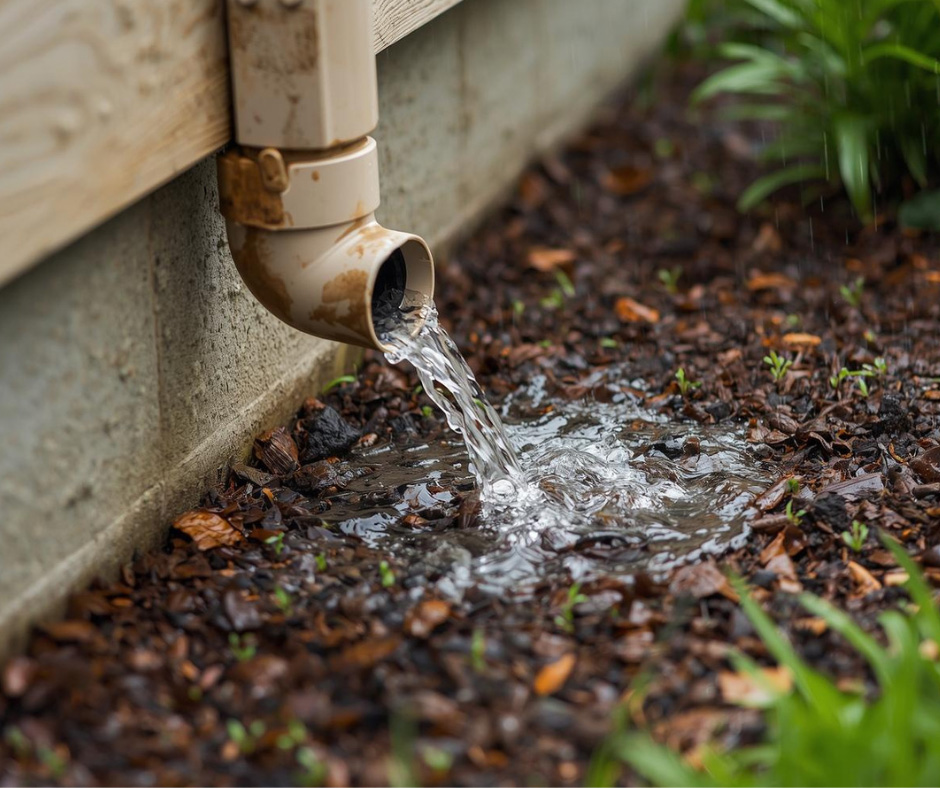
- Check Gutters and Downspouts: Clear them of all debris (leaves, branches, ice). Ensure downspouts extend at least 5-10 feet away from your foundation so water is diverted away from the house.
- Grade Your Yard: Make sure the soil around your foundation slopes away from your house, not towards it.
- Clear Snow Strategically: If you still have significant snow, clear it away from the foundation walls and basement windows to prevent melting water from seeping in.
- Interior Prep: Check the Basement
- Sump Pump Check: Test your sump pump by pouring a few gallons of water into the pit to ensure it turns on automatically and drains properly.
- Check Valves: Inspect any backflow valves on your sewer lines to ensure they are working and prevent municipal sewage backup during heavy rain (this type of damage may require a separate sewer backup endorsement on your policy).
- Review Your Insurance
- Review Your Homeowners Policy: Talk to your agent to confirm what your current policy does and does not cover regarding water damage.
- Ask About Flood Insurance: Most flood insurance policies are backed by the National Flood Insurance Program (NFIP). There is typically a 30-day waiting period before a new flood policy goes into effect, so you must purchase it before the flood threat is immediate.
Don’t let the beauty of spring turn into a nightmare of water damage. Take action now to protect your home and ensure you have the right insurance in place for the season ahead!